The Xero Blog

One foot with shoe, one bare foot

Are Barefoot Shoes Good for Flat Feet or High Arches?

Have you ever thought: “I wish I could wear barefoot shoes, but I can’t. I need support.” Maybe you’ve wanted to try barefoot shoes, but you have flat feet or high arches and you’re worried they won’t give you enough support. It’s great that you’re thinking about how barefoot shoes would affect your overall foot health.   You may have been told that your feet need shoes to support, cushion and control your movement. But here’s another way to look at it: your feet are meant to move. Xero Shoes are built around natural movement: a roomy, foot-shaped toe box, zero-drop sole, flexible low-to-the-ground feel, and lightweight construction. The goal is not to “fix” feet overnight, but to let them bend, flex, and function more like feet. What Are Foot Arches? If you look carefully at a foot, you’ll see it has arch shapes running in more than one direction: front to back and side to side. When people talk about “flat feet” or “high arches,” they’re usually talking about the arch that runs lengthwise along the inside of your foot. This arch is not a rigid bridge. It’s flexible. It changes shape as you stand, walk, run, jump, lift, and move through life. Some people have lower arches. Some people have higher arches.  There’s no single “perfect” foot shape. There’s your foot, your movement, and what feels comfortable and natural for you. Flat Feet vs High Arches Flat feet generally means the inside arch of the foot sits lower to the ground. High arches generally means the inside arch sits higher and leaves less of the midfoot touching the ground. Plenty of people have lower or higher arches and never even notice.  Here’s a simple way to find out: Go outside to your driveway or another dry concrete surface. Wet your feet, then stand on the concrete for a few seconds. When you step away, you’ll see your footprint. Take a picture quickly before it disappears. A fuller footprint may suggest lower arches. A footprint with only a narrow strip connecting the heel and forefoot may suggest higher arches. This is not a diagnosis, but it can be a fun way to notice your foot shape. How Barefoot Shoes Works for Different Arch Types Traditional footwear is built around the idea that feet need support to function well. But that’s not the only way to think about shoes.  Flat feet and high arches are different, but both can be affected by traditional shoes that have a narrow toe box to restrict toe space, lift the heel, or have a stiff, cushioned sole that limits foot motion.  Barefoot shoes are designed to reduce those restrictions. Instead of adding structure that limits motion, it gives your foot more room and freedom inside the shoe. Xero Shoes are designed to reduce those restrictions with: A roomy, foot-shaped toe box so your toes have space to spread A zero-drop sole, meaning your heel and forefoot sit at the same height A flexible sole that lets your foot bend and move A low-to-the-ground feel so you can stay connected to the surface beneath you Lightweight construction that doesn’t make your feet feel boxed in Are Barefoot Shoes Better for Flat Feet or High Arches? Neither arch type is automatically “better” for barefoot shoes. The better question is whether the shoe allows comfortable, natural movement for your foot.  People with flat feet may find a flexible, zero-drop shoe may encourage the foot and lower leg to activate as you walk, train or move through your day. The low-to-the-ground feel can help feel more engaged and connected to the ground. Research suggests that foot strengthening can correct flat feet. If you have high arches, you may appreciate a shoe that does not squeeze your toes or force your foot into a narrow shape. A roomy toe box gives your toes space to spread, while a flexible sole allows your foot to bend and adjust as you move. The big shift is mindset. Instead of asking, “How much support can this shoe give me?” you might ask, “Does this shoe let my foot move comfortably?” For many Xero Shoes fans, that question changes everything. Our design philosophy is simple: let your feet move, bend, flex, and feel.  Key Takeaways Barefoot footwear may be comfortable for some people with flat feet or high arches, but results vary by individual. Look for a roomy toe box, zero-drop sole, flexibility, low-to-the-ground feel, and activity-appropriate traction. Transition gradually to give your feet, calves, and movement patterns time to adapt. Choose barefoot running shoes, hiking shoes, sandals, boots, or training shoes based on the surfaces and conditions you use most. Consult a qualified professional if you have pain, injury history, or medical foot concerns. Frequently Asked Questions Are barefoot shoes good for flat feet? Barefoot shoes may work well for some people with flat feet because they allow more natural foot motion and give the toes room to spread. The best approach is to start gradually and choose a shoe that feels comfortable for your foot and activity. Are barefoot shoes good for high arches? Some people with high arches like barefoot-inspired shoes because they are flexible, lightweight, and roomy in the toe box. A good fit matters most, especially if you are used to narrow or highly structured shoes. Should barefoot shoes have arch support? Traditional arch support is not the focus of barefoot-style design. The idea is to let the foot move and engage naturally, though some people may still need professional guidance or temporary support. What About Orthotics? Some people may want to start wearing orthotics with their barefoot shoes. Pairing orthotics with a flat, zero-drop shoe may work well because it’s a simpler base for the insert. Make sure the fit feels comfortable, your toes still have room, and the orthotic sits properly inside the shoe. If your orthotics were recommended by a professional, check with them before making a big footwear change. Conclusion Barefoot shoes can work for people with flat feet or high arches who want shoes that allow more natural movement. The best results usually come from choosing the right fit, matching the shoe to the activity, and transitioning patiently. Ready to try your own pair of barefoot shoes? Take this quiz to find your perfect pair here. The content of this post is for educational and informational purposes only and does not constitute and is not intended to be a substitute for professional medical advice, diagnosis or treatment. Always seek the advice of a physician or other qualified health provider with any questions or concerns you may have about your health or a medical condition.  This blog was updated on June 26, 2026.  
Read More Are Barefoot Shoes Good for Flat Feet or High Arches?
Hikers wearing Xero Shoes barefoot hiking footwear

Hiking Boots vs. Hiking Shoes: How to Choose the Right Trail Footwear

When you hit the trail, one question comes up again and again: do you lace up hiking boots or hiking shoes? The honest answer is that there’s no single right pick for everyone, but there is a right pick for you, your feet, and the trails you love. At Xero Shoes, we look at this a little differently than most. We believe footwear should protect your feet while letting them function the way they were meant to: bend, flex, feel, and move.  So whether you land on a hiking boot or a hiking shoe, the goal is the same: natural movement, a wide toe box for your toes to splay, and a zero-drop sole that lets you actually feel the ground beneath you. To help break down the differences, we spoke with Michael Pao, Chief Product Officer at Xero Shoes, about what hikers should consider before getting a pair and hitting the trails. Do You Need a Pair of Both? Maybe! It really does come down to personal preference and the kind of hiking you do. If you hike year-round in a range of conditions and encounter cold wet weather, rocky terrain, short day hikes and fast, dusty summer miles, you can benefit from having both a barefoot hiking boot and a lighter trail shoe in your gear closet.  If most of your hikes’ terrain and weather are similar, one well-chosen pair will carry you a long way. The Fundamentals: Core Differences Between Hiking Boots and Hiking Shoes Michael’s Expert Tip: “The biggest difference is protection,” says Michael. “With Xero Shoes hiking styles, the outsole and materials may be similar between a low shoe and a mid boot, but the boot adds more coverage around the ankle and collar.” Hiking Boots Boots rise above the ankle. That extra collar height adds more protection around your ankles from rocks and brush, and more ankle support on loose, uneven terrain. But it can also mean more weight and slightly less ankle mobility. Our waterproof barefoot boots add that coverage, plus a waterproof option, that still provide flexibility and a zero-drop design that lets your feet move naturally. Hiking Shoes A hiking shoe’s collar sits below the ankle, giving your ankle a full range of mobility.  You trade the ankle collar for more natural foot movement from ankle-down. For a lot of hikers, that freedom is the whole point, your feet and ankles get to do their job, getting stronger mile after mile. Materials, Construction & Outsole Both styles start with the same barefoot DNA: a foot-shaped design that’s wide and roomy in the toe box to support natural toe splay,  yet fitted to the midfoot and heel to feel secure. A thin and flexible outsole gives a balance of ground feedback and protection and grippy lugs provide traction. From there: Uppers range from non-waterproof fast-draining, breathable mesh (great for heat and water crossings) to a sealed waterproof membrane (great for rain, mud, and cold temperatures). Outsoles are fine-tuned for trail terrain. Our Scrambler Low EV trail runner uses a Michelin® FiberLite outsole (yes, the same brand as the tire company) that keeps the shoe flexible and lightweight with a trail-ready grip Construction details like a waterproof membrane and gusseted tongue (more on that below) decide how much water and debris stay out. Midfoot lockdown:  Xero Shoes’ huarache-inspired tensioning system helps hold the midfoot in place while leaving room in the toe box and forefoot for natural foot movement. Height & Weight Hiking boots come in mid and high cuts, but Xero Shoes focuses more on mid-cuts. More coverage means more materials which means the boots weigh a little more. Low-cut hiking shoes are lighter. The good news: because every pair is built minimalist-first, even our boots stay light and flexible compared to conventional hikers. Michael’s Expert Tip: When choosing between a hiking boot and hiking shoe, Michael says the biggest trade-off is usually weight. A boot has more material, more padding, and a longer tongue, which can add protection, but also adds weight and slightly reduces ankle flexion compared to a low hiking shoe. Xero Shoes’ Scrambler Trail collection has the same materials, waterproofing and outsole construction between the Scrambler Trail Mid WP boot and Scrambler Trail Low WP shoe. The main difference is simply the boot versus shoe.  The Engineering Trade-Off: How Collar Height Affects Performance Here’s the heart of the boots-vs-shoes question. A higher collar adds coverage and support because it shields your ankle from trail debris and keeps more dirt out. The added security and lace hooks on the boot can also give the heel and rear foot a more locked-in feel. A lower collar adds mobility so your ankle moves freely and your foot reacts to the terrain in real time. Neither is “support” in the old-school sense. At Xero Shoes, the real support comes from your feet getting stronger. Here’s how the two stack up: Feature Hiking Boots Hiking Shoes Ankle coverage Above the ankle, more protection from rocks, brush, and rollovers At or below the ankle, full, natural ankle movement Protection More coverage against debris, mud, and trail hazards Lighter coverage; ideal for cleaner trails Weight A bit heavier (membrane + materials) Lighter and more flexible upper Weather range Waterproof for wet and cold conditions Breathable and fast-drying for heat and water crossings Best for Rugged, wet, cold, or overgrown terrain; heavier packs; long mileage Maintained trails, fast day hikes, hot weather, lighter loads Can You Use Trail Running Shoes as Your Hiking Shoes? Absolutely, and our Scrambler Low EV (women’s here) is a perfect fit for anyone who wants one shoe that runs and hikes, or if you prefer a light and agile feel. This lightweight trail runner has an abrasion- and debris-resistant mesh upper, a Michelin® FiberLite outsole, and a barefoot feel that’s right at home on a day hike. A men’s size 9 weighs just 9.2 oz (260.8 g) per shoe, women’s size 7 weighs 7.4oz (210g) per shoe. Prefer something built for the trail but still featherweight? The non-waterproof Mesa Trail II (women’s) is another great crossover and one of our lightest.  Here’s how trail running shoes compare to boots on the details that matter most: Weight: Trail runners are designed with less material around the ankle and are generally lighter. Durability: Boots are a good pick for bushwhacking and rocky terrain, but a rugged trail runner like the Scrambler Low EV handles regular trail abuse with ease.  Breathability: Mesh trail runners breathe and drain far better than a sealed waterproof boot, so your feet stay cooler and dry faster. Choosing Between Hiking Boots and Hiking Shoes The types of hikes you like, and your personal preference, ultimately decide whether you need both shoes and boots in your closet, or just one trusty pair. Run through these five factors and the answer usually gets obvious. Terrain Well-maintained, smooth trails: Hiking shoes give you plenty of protection with more agility. Rugged, rocky, or uneven terrain: Boots add ankle coverage and stability on the chaos underfoot. Overgrown paths or bushwhacking: Boots protect against brush, rocks, and debris far better. Weather Conditions Condition Better Option Why Wet / rainy Waterproof boots Keep water out longer and pair well with gaiters Cold / snowy Waterproof boots or snow boots  Holds warmth better Hot / humid Non-waterproof trail shoes More breathable; dry fast if they get wet Frequent water crossings Non-waterproof trail shoes Drain and dry quickly instead of trapping water inside How Quickly Do You Need Your Footwear to Dry? Have you ever accidentally stepped into a stream or puddle in your non-waterproof shoes? Your feet get wet immediately. Non-waterproof shoes get wet almost immediately, but they also dry fast if the weather is hot, which makes them ideal for summer hikes and repeated water crossings. Waterproof footwear stays dry initially, but if water seeps over the collar into the waterproof membrane, that same membrane that kept water out now keeps it in, and it will take longer to dry. Waterproof Boot or Waterproof Shoe? Watch the Tongue For waterproof styles, the gusseted tongue is the waterline. A gusseted tongue is sewn to the sides of the shoe so water and debris can’t sneak in around it, which means the waterproof membrane only protects you up to that point.  On a low waterproof shoe like the Scrambler Trail Low WP (women's), that line sits lower; step into a creek deeper than the tongue and water pours in. A mid boot like the Scrambler Trail Mid WP (women’s) raises that line, keeping you dry through deeper creeks. Pick your height based on how deep the water typically is. One thing to note: a waterproof membrane traps more heat and breathes less than open mesh. In hot weather, that can mean warmer, sweatier feet, another reason breathable shoes win in summer. If you’re hiking in hot conditions or have only a few potential wet spots, breathable non-waterproof materials allow heat and airflow to help dry the shoe as you move. Michael’s rule of thumb:  If there’s a chance your feet will get wet on a cold day, waterproof is the safer choice. Cold, wet feet can make any hike less enjoyable. Distance Short day hikes (under 5–7 miles): Hiking shoes are often lighter and more comfortable. Long distances or multi-day hikes: Boots offer more coverage and durability for sustained mileage, though many minimalist hikers happily go long in a trail shoe once their feet are conditioned. Does Pack Weight Matter? It does. The more weight you carry, the more your feet appreciate coverage and containment underfoot.  Pack Weight Recommended Footwear Why Light (under 20 lbs) Hiking shoes Plenty of protection; the least weight means the most agility Mid-weight (20–35 lbs) Hiking shoes or a mid-cut boot Extra coverage and ankle containment help as the load shifts Heavy (over 35 lbs) Supportive mid or high boot More coverage, ankle containment, and underfoot protection for the long haul     And don’t forget the weight on your feet. Every ounce you lift with each step adds up over thousands of steps, so wearing a lighter shoe can feel like fresher legs by the end of a long day. Does Your Foot Type Matter? It matters a lot, and it’s where barefoot-style footwear really shines. All of Xero Shoes’ boots and shoes have a wide, foot-shaped toe box, making them a comfortable choice for people with wider feet or bunions, because your toes get to spread out the way nature intended. Flat feet or high arches? Don’t let the “you need support” myth box you in. Here’s why barefoot shoes work for flat feet and high arches. Weak ankles, past injuries, or craving extra stability? A boot’s added coverage may feel reassuring on technical ground. Healthy ankles and a love of natural movement? A low-cut shoe lets your feet move freely. Whichever you choose, dial in the fit first. Our sizing guide takes the guesswork out. How Should Hiking Boots or Shoes Fit? Your hiking footwear should feel secure through the midfoot and heel, with enough room for your toes to move.  The goal is to get a fit that feels secure through the midfoot and heel while giving your toes room to spread. Your foot shouldn’t move around in your boots. Blisters can be a sign of pressure points or too-tight shoes. You can adjust the laces, starting at the bottom and working your way up to the ties to adjust fit. For hiking boots, the upper lacing hooks can also help dial in the fit around the collar and heel. Common Mistakes People Make When Choosing Hiking Footwear Sizing the toe box too small. Your toes should be able to splay, especially on long downhills. If you’ve ever shopped for footwear in-person, you may have been told to use your thumb to measure extra length in the toes. That added space is necessary for traditional footwear with narrow toe boxes because you’re adding room to keep your toes from getting squeezed. With Xero Shoes’ foot-shaped toe box, you may not need as much extra space in front. When in doubt, check the sizing guide. Buying for the hike you wish you did. Match your footwear to the trails you actually hike most, not a once-a-year trail adventure. Assuming waterproof is always better. In heat or minimal water crossings, breathable, fast-drying shoes usually win. Equating “support” with cushioning and stiffness. A rigid sole limits your foot’s ability to bend and flex. More cushioning does not automatically mean a better hike. Thick foam can create a disconnected feel. A lightweight, minimal cushioned shoe feels more connected to the trail, and you may find you’re adapting and moving more agile with that added proprioception.  Going heavier than you need. Think about wearing ankle weights. You’ll notice the weight the longer you wear them. Lighter footwear weighs less, so can feel better over the course of a hike, especially for fast hikers, day hikers, and anyone who prefers a more agile trail feel. Skipping the break-in and fit check. Some people can try on Xero Shoes and immediately hike their regular distances. If you’re new to zero-drop or barefoot shoes, we recommend testing the fit at home, and starting out on short walks before committing to big miles. Find Your Perfect Trail Pair Still deciding? Let your trails, and your feet, lead the way. Take our shoe finder quiz to get matched in minutes, or browse the full hiking boots & shoes collection (men’s · women’s).  Frequently Asked Questions Are hiking boots or hiking shoes better? There’s no “better” style. Boots add ankle coverage, protection, and waterproofing for rugged, wet, or cold terrain and heavier packs. Shoes are lighter, more breathable, and more agile for maintained trails, hot weather, and faster hikes. The best choice depends on your terrain, weather, distance, pack weight, and foot preference. Can I use trail running shoes for hiking?  Yes. A rugged trail runner like the Scrambler Low EV handles day hikes and moderate trails beautifully, with less weight and better breathability than a boot. For wet weather, water crossings, or heavy multi-day loads, a boot may serve you better. Do I need waterproof hiking shoes?  Only sometimes. Waterproof footwear is great for wet weather, but it breathes less and dries slowly once water gets inside. For hot weather and frequent water crossings, non-waterproof shoes that drain and dry fast are usually the smarter pick. Are barefoot hiking boots good for hiking? Yes. Barefoot hiking boots add ankle coverage while keeping a wide toe box, a flexible sole, and a zero-drop platform, so your feet can move naturally and get stronger on the trail. What size hiking shoe should I get? Most people order their regular size, but a foot-shaped toe box should leave room for your toes to spread, especially on descents. Use the Xero Shoes sizing guide to confirm your fit. Are hiking boots or shoes better for flat feet?  Either can work. The bigger win for flat feet or high arches is footwear that lets your foot move and strengthen naturally, rather than locking it in rigid support. The content of this post is for educational and informational purposes only and does not constitute and is not intended to be a substitute for professional medical advice, diagnosis or treatment. Always seek the advice of a physician or other qualified health provider with any questions or concerns you may have about your health or a medical condition. 
Read More Hiking Boots vs. Hiking Shoes: How to Choose the Right Trail Footwear
Expert-Recommended Train to Court Workout: 3 Phases for Better Court Movement

Expert-Recommended Train to Court Workout: 3 Phases for Better Court Movement

Try this expert-recommended 3-phase workout for court sport athletes to build court awareness, lateral control, and quicker reactions, starting with your feet.
Read More Expert-Recommended Train to Court Workout: 3 Phases for Better Court Movement

latest News

Placeholder Image - Xero Shoes

May the 4th be with you!

If you're going out on a run today, barefoot or otherwise...
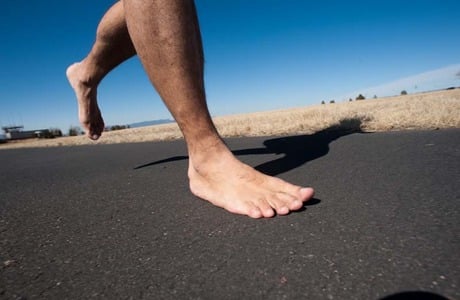
run in your bare feet

International Barefoot Running Day Donut Dash!

Join Xero Shoes for International Barefoot Running Day (IBRD) on Sunday, May 5th.IBRD is the brainchild of The Barefoot Runners Society, and the Colorado chapter has something special lined up:The 1st ever Barefoot Donut Dash! We'll start at 10am at the Xero Shoes office -- 5470 Conestoga Ct, Boulder, CO, 80301 -- with a barefoot running lesson. Whether you're brand new to barefoot, or haven't seen a pair of shoes in decades, you'll learn from and enjoy this simple class.Then, you can test your new (or improved) skills with either a 1k or 5k run/walk.Xero Shoes CEO and Masters All-American sprinter, Steven Sashen, will lead the 1k. Xero's Customer Service Manager and resident ultra-runner, Bill Babcock, will take people out on the 5k.Both runs will end about 75 meters from the Xero office... at Dizzy's Donuts, where you can get a gourmet doughnut (can you say, "Maple Bacon" or "Seriously Chocolate Cheesecake" or "Jalapeno Chedder"?!) at a special IBRD price.No experience is necessary.If you want to bring and wear minimalist shoes, that's okay (though you may learn that your minimalist shoes are getting in the way of learning to master barefoot running).Xero Shoes will also be on sale for IBRD participants.Please fill out this REGISTRATION FORM. If possible, scan/email it back to us at support@thexeroshoessale.com, or Fax it to 303.786.9292... or just bring it with you when you come to enjoy International Barefoot Running Day and the Donut Dash!

Placeholder Image - Xero Shoes

Does your barefoot running form look like this?

People always ask me for videos of barefoot running form.I usually avoid making them -- because the way *I* run is not necessarily the way *you* should run.That said, here's a video of Simon from Macedonia demonstrating what I think is some of the best barefoot form you'll ever see. I think everyone should be able to do this with a bit of practice. (NOT!)
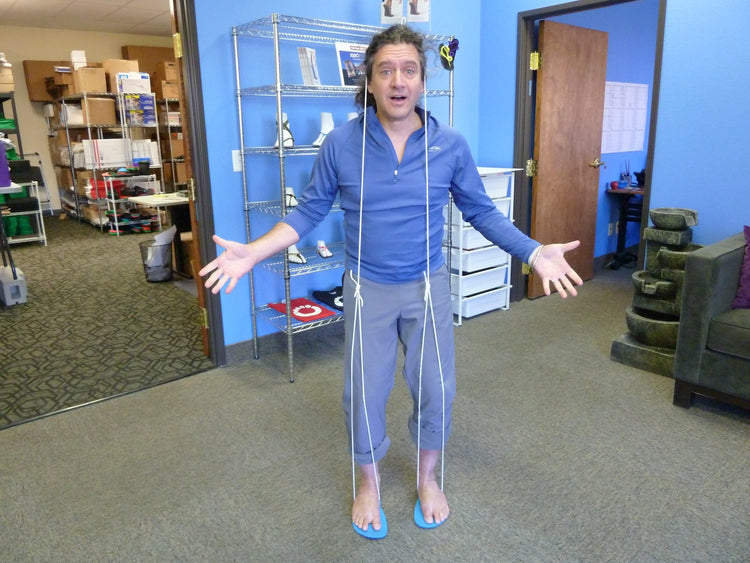
A new huarache sandal tying style

Foot tattoos and barefoot sandals

On Facebook, Sarah asked:I'm getting the tops of my feet tattooed and need to find a way to tie them so that none of the laces touch the top of my feet! My big toe too! I figure a loop over my 2nd and 3rd toe....but anyone have tying suggestions for the heel?I said, "Well, that's a tricky one. A 'flip-flop' style will touch the top of your foot, and SOMETHING has to hold in on around your heel or it'll slip off..."But then I came up with the perfect answer. I'm going to use this tying style from now on!And, yes, this is an early April Fool's joke... there's no way you could actually run/walk with this... oh, wait, if I made the strap out of elastic... ;-)

Will Barefoot Running Hurt You?

Will Vibram Five Fingers or Running Barefoot Injure You?

From the "Here we go again" department of the barefoot running world:About once every 2 months, some major news publication chimes in with one of these two stories:  "Barefoot Running is GREAT for you" or "Barefoot running is BAD for you."The latest is of the latter variety and comes with headlines like this one from the New York Times: Barefoot Running Can Cause Injuries, Too, and Runner's World's "Study: Vibram FiveFingers Lead To Greater Risk of Foot Bone Injury.!What are these seemingly anti-barefoot articles talking about?A study done at Brigham Young University took 36 "experienced, recreational runners" and had 19 of them "gradually transition to Vibram FiveFinger running shoes over 10 weeks."After 10 weeks, 10 of the 19 had increases in "bone marrow edema."The researchers concluded that "Runners interested in transitioning to minimalist running shoes, such as Vibram FiveFingers should transition very slowly and gradually in order to avoid potential stress injury in the foot."Okay, let the picking apart begin.Before I criticize the study, let me criticize the hyperbolic reporting about the study.It's as if any time someone suggests that barefoot running might be bad for you (we'll come to whether the suggestion is valid in a moment), reporters jump on the story with a "Nah-nee nah-nee boo-boo, stick your head in doo-doo!" attitude.Look at the NYT headline. "Barefoot Running Can Cause Injuries, Too."Why is this over-the-top? Well, I hate to point out the obvious, but this study did not examine barefoot running. It looked at some runners in Vibram FiveFingers.VFFs are NOT barefoot. They may look like feet (gorilla feet, sure, but feet nonetheless), but the amount of padding and stiff rubber they have causes most runners to have a different gait pattern when they're in VFFs versus when they are barefoot. Simply, things that hurt when barefoot (e.g. over striding or landing too stiffly) are often unnoticed when in VFFs.The Runner's World headline, while accurate (it is reporting the conclusion of the researchers), it's a bit histrionic. That is, it almost implies agreement with the study. Had the reporter chosen to evaluate the study, rather than simply giving "just the facts, ma'am," or brought in an opinion from someone who evaluated the study, the headline might have been very different with a less anti-barefoot flavor.Now, don't get me wrong. Even though I'm a true believer in barefoot running (and walking and hiking and camping and kayaking and almost everything else), I'm also scientifically minded. If there were a good study that showed, "Barefoot running will erase photos from your hard drive!" I'd be the first to tell you to get a backup drive and buy some shoes.But this wasn't a good study.Let's break down the "barefoot" running study this way at first to see why:1) The researchers had the runners transition to VFFs by following a protocol from the Vibram website.2) A significant portion of those runners developed bone edema over 10 weeks.3) The researchers equated a certain amount of bone edema with injuryBased on this information, it's just as reasonable to conclude that the VFF transition program is the cause of injury, not the VFFs themselves.Next, if you poke around the podiatry and sports medicine world, you find another problem, namely, that there's a debate about the meaning of bone edema. Does bone edema = injury? The jury is out.So those two points alone should make you question what the study really shows.One thing we know it shows is that a majority of the VFF wearers got bone edema. And let's for now, assume that's the same as getting injured.In fact, let's dig a little deeper to find out that 2 of the VFF wearers got actual stress fractures -- definite injuries.Why did the runners get injured?Let's dig even deeper and look at those stress fractures.One was in the heel. How would you get that? Most likely by heel striking, a big no-no in the barefoot world and the common way to run in running shoes.The other was in the 2nd metatarsal? How would you get that? By landing hard on that bone behind your 2nd toe. And how does one do that? In my experience, by thinking "I'm supposed to land on the ball of my foot" and reaching out with your foot to do so. In other words, by over striding… the second big barefoot no-no.In other words, what this study may have really shown is that people who switch to VFFs who don't change their running form, or who change it incorrectly, get injured.But we have no way to know if that's what happened because the researchers didn't evaluate form. They didn't check to see if form changed over time.(BTW, the American Council on Exercise *did* look into that and found that most VFF runners do not change their form compared to how they ran in running shoes. Pete Larson took videos at the 2011 New York Barefoot Run and found the same thing -- most VFF runners were still heel striking as if they were in regular running shoes. Again, my explanation is that the VFFs don't give you enough feedback -- admittedly, discomfort -- to inspire the change.)The important barefoot running messageMost of us in the barefoot world like to say, "It's not the footwear, it's the form… it's just that some minimalist footwear helps you change your form better than others."What helps you change your form is feedback from the ground, the sensations you get when you run barefoot on a hard surface. In short, if it hurts, you'll try something different so that it doesn't, especially if you get a few tips about what to try (e.g. how to not overstride, how to not pull/push the ground, how to lift your feet off the ground rather than pushing).As far as getting sensations goes, barefoot is best. Xero Shoes are a close second (it's as if you're totally barefoot, but someone threw a thin layer of flexible rubber on the ground).Where are VFFs? Well, it depends on which ones you wear! Some have more padding (i.e. reduce ground feel) more than others. And in this study, we don't know which ones the runners were wearing.Let's back up a bit to another odd fact from the study. The shod runners averaged 30 miles/week, but the VFF runners averaged 15-18 miles/week. That's a BIG difference. And when you look at the transition plan, following the plan doesn't account for running half the mileage of your shoe wearing compatriots.Dr. Ridge guessed that the runners cut their mileage "because their feet hurt" but there's no indication that they ever reported pain, and since 9 out of 9 runners had no edema, they should have been still running their usual 30/week mileage, which would mean the 10 "injured" runners must have cut their mileage to about ZERO to get an average of 15-18.I suspect that the "random assignment" of people into the VFF group accidentally put the less skillful and accomplished runners into VFFs. I don't know for sure, because I don't see any stats on the pre-study mileage of each runner compared to the in-study mileage, let alone how the mileage changed for the "bone edema runners" vs. the "non-edema runners."Finally, let's look at the conclusion the researchers came to:Runners interested in transitioning to barefoot running shoes, such as Vibram FiveFingers should transition very slowly and gradually in order to avoid potential stress injury in the foot.Uh… how did they come to that conclusion?They didn't compare runners who transitioned in 4 weeks, 8 weeks, 10 weeks, or 10 years. For all we know, transitioning more slowly could be WORSE for you. Their suggestion might be as useless as, "If you want to avoid the frustration of learning Spanish, transition slowly and learn one new word per week."In other words, they have no basis to make that conclusion.The transition to barefoot running that I recommend starts with MUCH less distance than the VFF plan… but with more frequency (a little bit, more often). And it increases distance and frequency based on your unique experience, not some arbitrary schedule.Once again, I'm left with the hope for more, and more nuanced and well-designed, barefoot running studies. And, even more, for more and more nuanced reporting about barefoot running (or, in this case, minimalist running).The content of this post does not constitute and is not intended to be a substitute for professional medical advice, diagnosis or treatment. Always seek the advice of a physician or other qualified health provider with any questions or concerns you may have about your health or a medical condition.

Barefoot Sandals Shamrock Style

Happy, and barefoot, St. Patrick's day!

Happy St. Patrick's Day from Xero Shoes! I don't know about you, but I'd love to find this barefoot sandal 4-leaf clover in my garden. I'm sure it would make you lucky if you found it;-) Since moving to Boulder, CO almost 20 years ago, I love St. Patrick's day, not just because of the world's shortest St. Patrick's Day Parade (1/2 a block), but because by this time of year it's usually warm enough to be barefoot again. Now, granted, I'm barefoot throughout the whole winter, too. So it's not like anything is actually changing for me. Plus, we usually get our biggest snowfall of the year AFTER mid-March, so it's not time to put away the shovels. But I'm not a winter sport guy. Summer is my season. There are fewer things I like better than a nice day running on the track, or one of our evening track meets when it's still warm as the sun sets. So, for me, St. Patrick's is is the reminder that I've got month's of comfortable bare footedness coming up soon. I also have a lot of friends who have birthdays right around the 17th, so that's fun, too. What's your favorite part of St. Patrick's day, barefoot or not?

Placeholder Image - Xero Shoes

Barefoot Running is Bad For You!

Is barefoot running good or bad for you?  Despite the growing popularity of barefoot running, many people still believe the myth that barefoot running is bad for you.  People who THINK barefoot running is bad for you will bring up certain assertions we will address below.  If someone tries to convince you that barefoot running is bad for you, here’s how you can fight back against the common misconceptions!  How We Got to This Point Over the years, the debate on whether barefoot shoes were bad for you has become more heated. It started when Chris McDoguall’s book, Born to Run, became popular In 2009... There was no big argument when Olympians Zola Budd ran barefoot In the 5,000m, or when Abebe Bikila won the marathon without shoes, or when Ron Hill competed in the Mexico City Olympics in “the lightest shoes I could find.” But once “regular folk” started kicking off their kicks, it’s become a rhetorical battlefield out there — the converts touting the great benefits of barefoot running, and the critics assuring everyone that taking off your running shoes is akin to playing Russian Roulette. Then a Harvard study came out, showing that when you run barefoot, you adjust your stride to put less stress on your body. But, right on the heels of it (pun intended), came editorials about how running barefoot is the worst thing you could do… though, most of those editorials came from people who own or work for shoe companies or shoe sellers. Yesterday, someone forwarded me an email saying “Well, I’ve seen people who tried running barefoot and they got injured! I’ve seen people during marathons, sitting on the side of the road in their barefoot shoes, crying in pain!” (Of course, right after, I got an email from a Xero Shoes huaraches running sandal owner, raving about how old running injuries they used to have are gone now that they’re out of shoes, but let’s ignore that for a moment.) Mark Plaatjes, world champion marathon runner, physical therapist, and co-owner of the Boulder Running Company, has said that he doesn’t think most people have the correct body type for running barefoot. Road Runner Sports sent out an email saying, “Well, if you run barefoot, you could step on something and really screw yourself up!” (that’s not the actual quote, which I’m too lazy to look up, but the gist of what they warned). The Vancouver Sun published an article, like dozens of others like it, claiming that running barefoot was dangerous, and the proof was the opinion of some doctors. What amazes me about this back and forth nonsense is how enraged the anti-barefoot gang is getting, and how they’ve thrown out not only their logic and critical thinking skills, but how they’ve ignored what every well-known barefoot running coach has advised. So let’s address some of the issues of barefoot running, as quickly as possible (which isn’t hard, since the arguments are simple). Why People Think Barefoot Running is Bad If you memorize these answers (or print out this article and have a copy in your back pocket), you can save yourself the frustration and/or humiliation of arguing with some Know-It-All who tries to convince you that running barefoot is bad. Assertion 1: Barefoot running will give you plantar fasciitis, Achilles tendonitis, ingrown hair, or male-pattern baldness (or any other injury). Response: Runners in SHOES get the same injuries! Those problems, when they occur, are not from “barefoot running”, they’re from OVERUSE or, more commonly, bad running form.  If someone you knew went to the gym for the first time, and did the workout that Arnold Schwarzenegger used in his Mr. Olympia days, they’d end up with all manner of injuries, soreness and overall inability-to-move-for-days-ness.  But nobody would scream from the rooftops, “Weight lifting is bad for you!”  They would say to that individual, “Dude, you did too much too soon. Scale WAY back and build up to that slowly.”  Clearly, the cure for overuse is UNDERuse. Do less. Build up slowly. Use some of the cues in these articles. The only problem is that the only way to know how much you can really handle is by doing too much… until you’ve done that enough and gotten the hint. Assertion 2: Some people aren’t built to go barefoot. Response: Not only is there no evidence for this, but what the barefoot running coaches all say is that by running barefoot you develop the skills, strength, and form that allow you to run barefoot. Now, there’s not any hard science behind that argument, YET(some researchers are working on it) But, which makes more sense: That someone is physically unable to run barefoot or in minimalist running shoes (the way humans have run for hundreds of thousands of years), but is absolutely fine in shoes… or that, due to lack of use, they may need to build up the strength before they can run barefoot.  Besides, the only reason they would be okay in shoes and not barefoot, is because they’ve transferred the stress that the muscles and tendons and ligaments would have to deal with if they were barefooted (and get stronger by doing so) into the bones and joints.Again, the message is, Go slowly! (seeing a pattern here?) Assertion 3: You could step on something or, worse, IN something! Response: Yeah, so?  But:  How bad would it REALLY be?;  How often is this REALLY a problem, or are you just imagining it happening without knowing the actual numbers?;  Are these injuries worse than the various problems people have in shoes?;  If you do step in poo… which is easier to hose off: your feet or a waffle-soled shoe?  This argument cracks me up since I offer a solution on this website — get some barefoot running shoes or sandals and you’ll add a HUGE (but thin) layer of protection that still gives you a barefoot feel.  I have to back up to the “stepping in poo” idea, because I just got a call from someone who said they were worried that’s what they would do if they were walking around barefoot.  ”When’s the last time you stepped in poo?” I asked.  “About 20 years ago,” the poo-fearer answered.  ”Then what makes you think you’ll suddenly start doing it now?” I asked.  “Ohh…,” said the former poo-fearer. Assertion 4: Doctors say they’re seeing more patients with injuries who are running barefoot. Response: Doctors said the same thing 45 years ago when running shoes became popular.  Doctors are not seeing the people who are not having problems running barefoot… because those people don’t go to doctors. In other words, if you don’t know the total number of people who are running barefoot, seeing an uptick in patients is a meaningless statistic.  I’ve never met a doctor who asked their injured patient, “So, are you running barefoot or in something like a barefoot shoe?” (hint, most people who say they’re running barefoot have never put their bare skin on the ground, or worn something as minimalist as Xero Shoes.).  I’ve never met a doctor who has said to their patient, “Let’s take a look at some slow-motion video of you running and see if the real problem is your form, and not your footwear or lack thereof.” The injury rate for people wearing "normal" shoes is estimated at 50 to 80% per year. So the real question is this: are barefoot runners getting injured at a higher or lower rate? What cracks me up about the anti-barefoot gang is the simple denial of the numbers. That is, there are millions of people taking off their shoes without a problem. You don’t end up with a movement like the barefoot running movement without a high percentage of happy converts. This alone should, but doesn’t, temper their argument on why they think barefoot running is bad for you. And, again, the answer couldn’t be simpler: Oh, if you’re going to try barefoot running, you may need to go WAY slower than you thought. You’ll have to learn to listen to your body in a way you haven’t before, and you’ll need time to build up strength to let you handle the same distances you may now be running. You may also want to get something to give your sole a bit of protection.  So, Barefoot Shoes Aren’t Bad for You?! Here are a few key differences between conventional running shoes and barefoot shoes. No heel lift (zero-drop) A wider, foot-shaped toe box to let your toes spread No unnecessary cushioning An extremely flexible sole that gives you protection but is thin enough to let the nerves in your feet safely FEEL the ground and be more connected to the earth, rather than walk on it. Discover what you've been missing – natural comfort, performance and health. Feel the fun and benefits barefoot inspired shoes and live life feet first The content of this post does not constitute and is not intended to be a substitute for professional medical advice, diagnosis or treatment. Always seek the advice of a physician or other qualified health provider with any questions or concerns you may have about your health or a medical condition.

Xero Shoes Barefoot Sandals On Shark Tank

Xero Shoes Barefoot Sandals On Shark Tank

In 2013, Lena and I had the honor and pleasure of appearing on the ABC hit reality-business show, Shark Tank on ABC... and on October 1st we appeared on CNBC, who syndicated the show. Over 30,000 applied to be on the show and we were on pins and needles for months, waiting to see if our pitch would make it to the airwaves. If you didn't see the show, check it out:   Since the show aired we've gotten some amazing responses. Some people think we were nuts to walk away from a $400k offer. Others think we were insane to even consider it. In the first week after the show aired, over 2,500 people decided to try Xero Shoes and experience the fun and benefits of being barefoot, but with a layer of protection, a perfect fit, a custom style, an affordable price, and our 5,000 mile warranty.THANK YOU to you everyone who emailed and called us, to the people who crashed our website with traffic (over 270,000 people!), to the people who put up with our shopping cart glitches (this cart was, it seems, not made for that kind of traffic), and to everyone who ordered some of our Original Barefootware. Happily, we have a MUCH improved website and shopping cart and, as you can see here, a MUCH more extensive line of barefoot-inspired shoes, sandals, boots, DIY kits, and more. -Steven

Xero Shoes Barefoot Running Sandals on Shark Tank

We were on Shark Tank!

Did you see us on ABC's Shark Tank? (if not, click here) Want to try a pair of Xero Shoes • Original Barefootware and have the fun and benefits of being barefoot... plus: The protection you want A perfect fit (you can trim them to size if you like) Style that expresses your personality (with fun lacing or decorative add ons) An affordable price Complete natural movement Our 5,000 mile warranty As of March 2020: Over 650,000 items sold in more than 130 countries, all for people who love Xero Shoes for: Walking Hiking Camping Paddle boarding Yoga Crossfit Kayaking Working out Jogging Running 100-mile ultramarathons! ... and having fun! Our DIY barefoot sandal kits are the perfect project for the family... you can make your own shoes in just a few minutes. Or you can let us do the work with our ready-made shoes and sandals. Not sure what to get, or ordering for a friend or family member? Get a gift certificate instead.

Huarache tying pattern - Phoenix Flower

The Phoenix Flower - Barefoot Sandal tying style

Here's something simple and decorative to do with your extra lace.Plus it means you have extra lace with you if you need it!Step-by-Step instructions coming soon!

Tie huarache running sandals Amanda's way

Amanda's Chaco Style Running Sandal Tying

Amanda has a clever Chaco sandal-inspired tying style First, a tying tip: Lacing tips: Amanda's Chaco-Inspired Tying Style This video makes a reference to our old name, Invisible Shoes. Also, you can do the same lacing style, but "rotate" it so the knot ends up behind your heel! And since there's exposed lace under your foot, I recommend coating that part of the lace with Shoe Goo for added protection.

Raymond's Thong Barefoot Running Sandal tying style

Raymond's Double-Thong Running Sandal Tying Method

Raymond Mack developed this nice thong styleOnce you get the tension just right, you slip 'em on and off in a second. People use this tying style for everything from walking to running marathons.First, a tying tip:Lacing tips:Raymond's Double-Thong Tying StyleSince there's exposed lace under your foot, I recommend coating that part of the lace with Shoe Goo for added protection.Step-by-Step instructions coming soon!